Water Damage Restoration in Portland, OR
Water on the floor, in the walls or dripping from the ceiling. Stop the source, then let a local technician dry it out properly.
Water damage restoration in Portland starts with finding every wet spot
Water damage restoration in Portland, OR, is the work of getting water out of a home, drying what is left behind and repairing the materials that cannot be saved. It sounds simple, yet most of the trouble comes from water you cannot see. A burst pipe soaks the carpet you notice, and it also wicks up the drywall, runs under the baseboards and settles into the subfloor. Dry the room you can see and leave the rest, and the smell, the stains and the mold arrive a few weeks later.
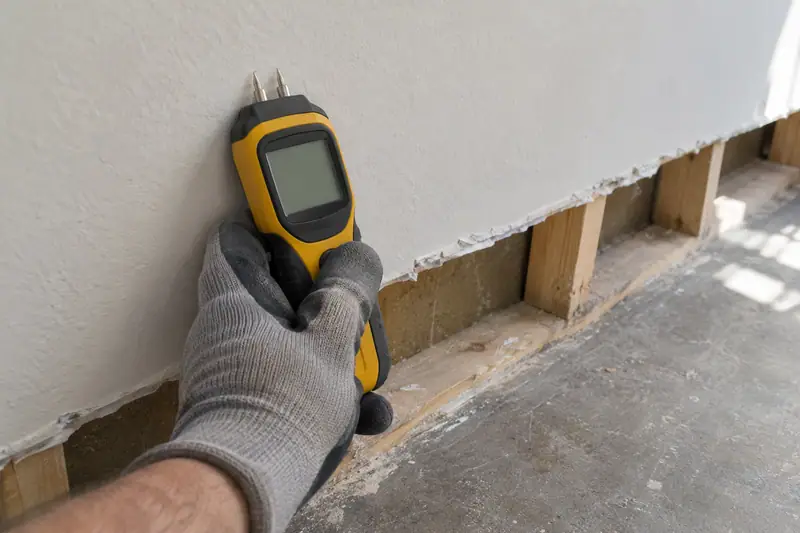
That is why a proper restoration visit begins with measuring, not with fans. A technician uses moisture meters and often a thermal camera to trace how far the water traveled, then marks the wet areas so the drying plan covers all of them. Only then does the water removal start.
When you call Water Damage Portland OR, we start with the questions that shape the job. Where is the water coming from, has it stopped, how long has it been there and what kind of water is it. Those answers decide whether the job is a quick extraction or a careful cleanup of contaminated water, and they help a local technician arrive ready for it.
Speed matters, but so does doing it in the right order. Stop the source, make the area safe, remove the standing water, dry the structure with the right equipment, check the readings until the materials are back to normal, then repair. Skip a step and the house pays for it later. If the water is still running right now, start with our before help arrives checklist and come back here once the source is off.
Find the problem in your home
Water damage restoration in Portland covers a handful of situations, and each one needs a slightly different response. Pick the one closest to what you are looking at.
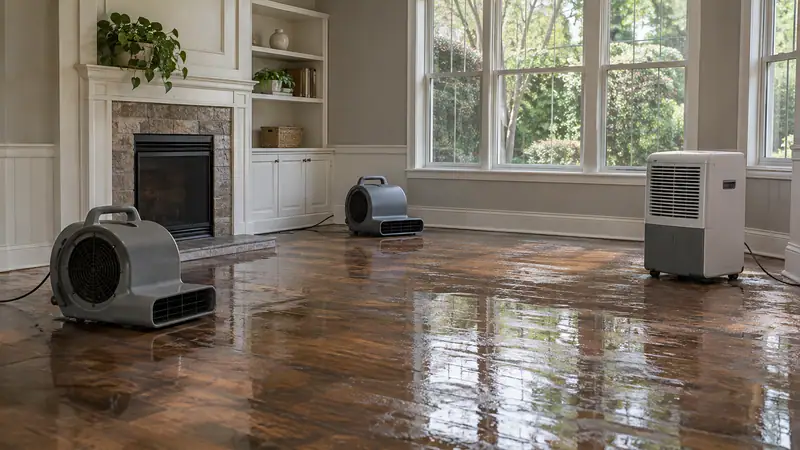
Standing water and soaked floors
Water removal and structural drying for carpet, hardwood, walls and subfloors.
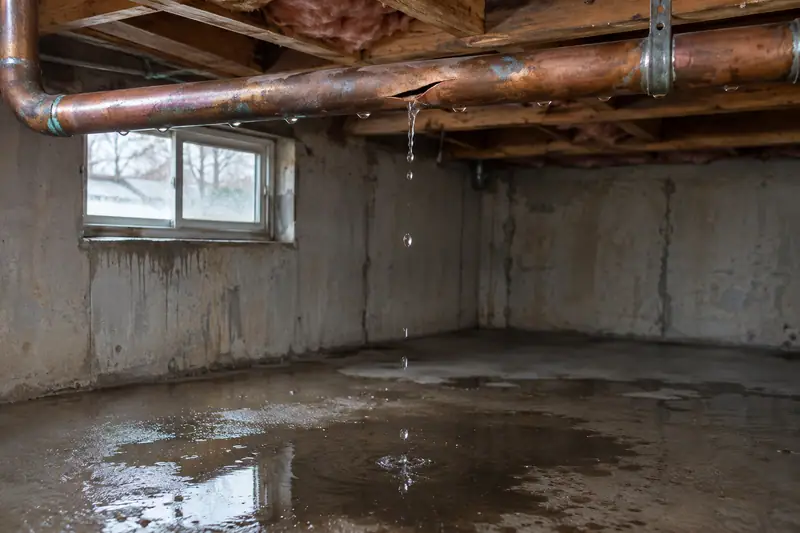
A pipe burst or split
Shut the water off, then dry everything the spray and the slow leak reached.
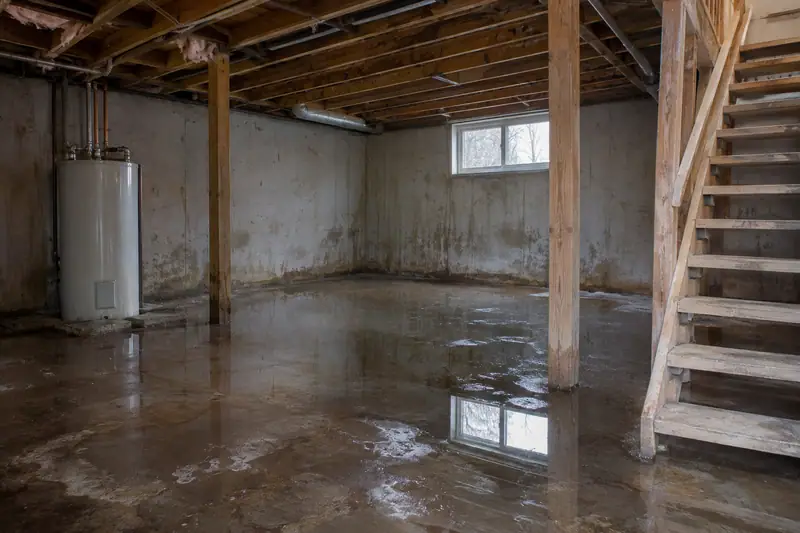
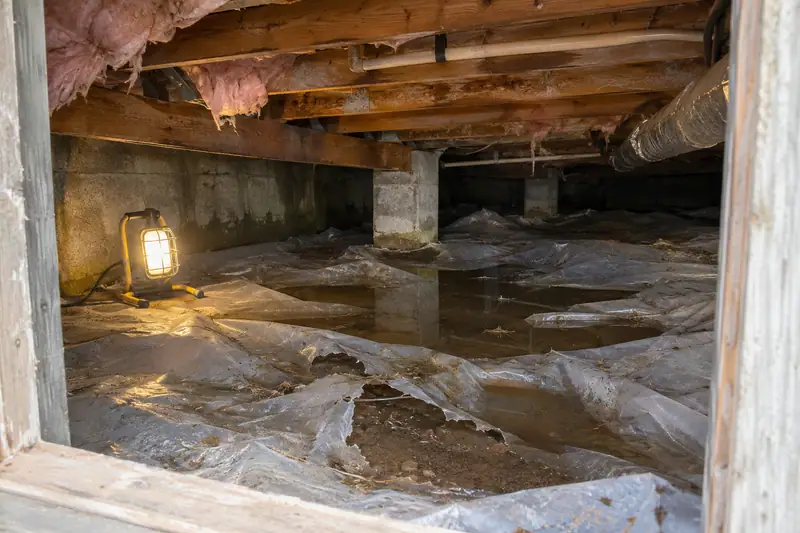
Water in the basement or crawl space
Pumping out, drying the slab and the framing, and checking the vapor barrier.
Sewage came up a drain
Contaminated water handled safely, with porous materials removed and the area sanitized.
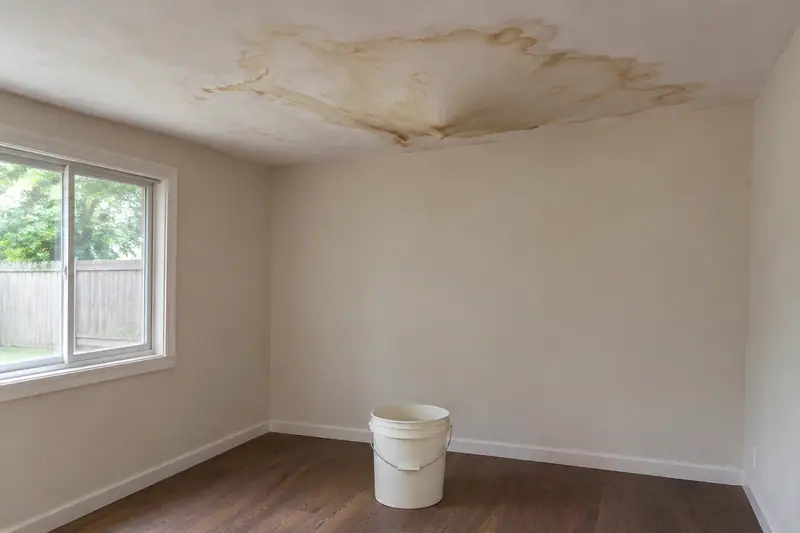
A ceiling stain or drip
Find the leak above, dry the cavity and repair the drywall once it reads dry.

Storm or flood water got in
Rain driven leaks and outside water, which usually counts as contaminated.
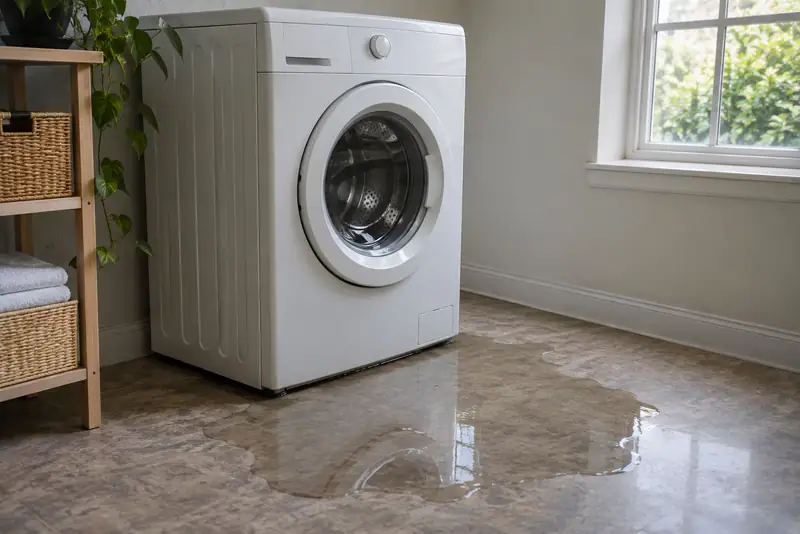
A washer, dishwasher or water heater leaked
Slow appliance leaks hide under floors and cabinets. Here is how to find them.
Keeping mold from starting
Why drying fast and drying fully are the best defense against mold.
How a restoration job runs from start to finish
Every house is different, yet good water damage restoration in Portland follows the same five stages. Knowing them helps you ask good questions and spot a shortcut.
Inspection and moisture mapping
The technician finds the source, confirms it has stopped and measures moisture in the floors, walls and ceilings around it. Wet areas are marked and photographed.
Water removal
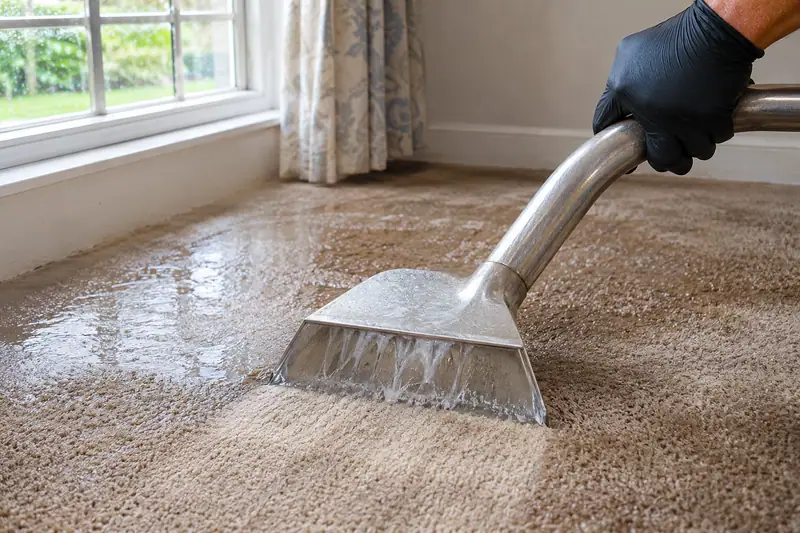
Standing water is pumped out and extraction tools pull water from carpet and pad. This step removes far more water than any fan ever could.
Removing what cannot be saved
Soaked pad, swollen particleboard and drywall touched by contaminated water usually come out so the cavities behind them can dry.
Drying and monitoring
Air movers and dehumidifiers run for several days. Readings are taken each visit and the equipment moves as areas dry, until the materials reach normal levels.
Repairs and the final check
Once everything reads dry, the walls, floors and finishes are put back. A final set of readings shows the job is truly finished.
Restoration crews generally follow the water damage standard published by the IICRC, which sets out how to inspect, dry and verify a job. You do not need to read it, but it is fair to ask whether the work follows it and to ask for the drying records at the end.
Why fast drying matters in a Portland home
Portland has mild, wet winters and dry summers, and the long rainy seasons keep crawl spaces and attics damp for months. That background moisture means wet materials dry slowly on their own, even in a heated house, which is why Portland water damage restoration leans on dehumidifiers rather than open windows.
Water damage calls rise with heavy storms, spring snowmelt and winter pipe freezes. Those are also the times when a home has the least chance of drying by itself, so a leak that might fade in a dry climate tends to linger here.
What water does to a home over time
| Time since the leak | What is usually happening | What it means for the job |
|---|---|---|
| First few hours | Water spreads across floors and starts wicking up drywall and into carpet pad. | Most materials can still be dried in place. |
| First day | Drywall softens, wood swells, particleboard in cabinets begins to break down. | Some materials may need to come out. |
| One to two days | Musty smells start and mold can begin to grow on damp materials. | Drying gets harder and cleanup grows. |
| A week or more | Hidden mold, warped floors and stained ceilings appear. | Removal and repair replace simple drying. |
The EPA notes that damp materials should be dried within 24 to 48 hours to help prevent mold growth, which is why the first two days decide so much. Read more in the EPA guide to mold and moisture, or in our page on preventing mold after water damage.
Signs the water went further than you think
Water follows gravity and it follows gaps. It runs along the top of a joist, drops through a light fixture two rooms away and soaks into the bottom edge of drywall long after the floor looks dry. These are the signs that tell you the leak reached more of the house than the puddle suggested.
- Baseboards that pull away from the wall or show a dark line along the bottom edge.
- Paint that bubbles or wallpaper that lifts, usually a sign of water behind the surface.
- Floors that feel soft or spongy, or hardwood boards whose edges rise higher than their centers.
- A musty smell that comes back after cleaning, often strongest in closets and lower cabinets.
- Ceiling stains with a brown ring, which mean water collected above and is still there or was there for a while.
- Doors that start to stick in their frames because the framing around them took on moisture.
Any one of these is a reason to measure rather than wait. A moisture meter gives a number for each spot, and comparing a wet wall with a dry wall in the same house shows the difference straight away. Our guide on how to tell if water got into your walls shows the checks you can do yourself.
In older homes with plaster walls, crawl spaces and wood subfloors, water can travel quietly for a long way. Newer homes with drywall and laminate hide it differently, trapping it under click flooring and behind cabinet backs. Either way, the fix is the same. Find the edges of the wet area, dry all of it, and confirm with readings before anything is closed up.
Clean, gray or black water changes the whole job
Restoration work sorts water into three categories, and the category decides how carefully the cleanup is done. Water from a supply line starts clean. Water from a washing machine or a dishwasher is gray, because it carries soap and food. Sewage, flood water from outside and water that has sat for days count as black water and are treated as unsafe to touch.
| Category | Typical sources | How it is handled |
|---|---|---|
| Clean water | Burst supply pipe, a leaking water line, rain through a fresh roof leak | Extract and dry, keeping as much of the house as possible. |
| Gray water | Washing machine, dishwasher, an overflowing sink | Extract, clean surfaces, and remove some porous materials. |
| Black water | Sewage backup, outside flood water, long standing water | Protective gear, porous materials removed, the area sanitized before drying. |
Clean water does not stay clean for long. After a day or two in a warm house it picks up whatever was in the carpet and the cavities, so a slow response can turn an easy job into a harder one. Our guide to clean, gray and black water explains each category in plain words.
Insurance, photos and the paperwork that helps
Insurance questions come up on almost every job of water damage restoration in Portland. Many homeowners call their insurance company the same day the water appears. Whether a loss is covered depends on your policy, and most standard policies treat a sudden pipe burst differently from a slow leak or outside flood water. Your agent or the policy itself is the only place to get that answer.
What you can do right away is keep good records. Take photos and short videos of the water, the source and every damaged room before anything is moved. Keep damaged items until the adjuster has seen them or has said they can go. Write down the date and time you found the water and what you did about it.
Ask for the moisture readings, the drying log and the before and after photos from the restoration work. Adjusters often want to see them, and they are your proof that the house was dried properly.
For a fuller walk through, read does homeowners insurance cover water damage.
Good questions to ask before work starts
A short conversation at the start saves surprises later. These are fair questions for anyone who offers water damage restoration in Portland.
- Where exactly is the water, and how far has it spread into walls, floors and ceilings?
- Which materials can be dried in place, and which need to come out, and why?
- How will you check that drying is working, and how often will you take readings?
- What category of water is this, and what does that change about the cleanup?
- Who handles the repairs once the house reads dry?
- Will I get photos, readings and a written record of the work for my insurance company?
Nothing happens until the technician has walked you through what they found and you have said yes. If something does not make sense, ask again. A good technician is happy to show you the meter readings.
Portland ZIP codes we cover
Water Damage Portland OR takes calls about water damage restoration in Portland, Oregon, from homes across the city. If your address is in one of these ZIP codes, tell us what is happening and a local technician can come out.
- 97201
- 97202
- 97203
- 97204
- 97205
- 97206
- 97209
- 97210
- 97211
- 97212
- 97213
- 97214
- 97215
- 97216
- 97217
- 97218
- 97219
- 97220
- 97221
- 97227
- 97230
- 97232
- 97233
- 97236
- 97239
- 97266
Not sure whether your street is covered? Mention your ZIP code when you call and we will tell you straight away.
Water damage questions from Portland homeowners
How fast should water damage be dried?
As fast as possible. Damp materials should be dried within one to two days to help prevent mold, and wet carpet pad and drywall get harder to save with every hour. Stopping the source and removing standing water early makes the biggest difference.
Can I dry water damage myself with fans?
Fans dry surfaces, yet the water that causes trouble is inside walls, under floors and in carpet pad. Without moisture readings you cannot tell when those areas are dry. Small clean water spills on hard floors are fine to handle yourself, while anything that soaked into walls or carpet is worth measuring properly.
How long does water damage restoration in Portland take?
Drying usually takes several days, depending on how much water there was, what got wet and how humid the house is. Repairs come after the materials read dry. Our page on how long water damage takes to dry goes through the details.
Do I need to leave my home during the work?
Most clean water jobs let you stay home, although the drying equipment is noisy and some rooms may be off limits. Sewage and flood water jobs are different, and it is wise to keep children and pets away from the affected area until it has been cleaned.
Will my hardwood floors need to be replaced?
Not always. Hardwood that is dried quickly with the right equipment often flattens out again. Boards that stay wet for days tend to cup or buckle for good. The sooner drying starts, the better the chance of saving them.
What should I do with wet carpet?
Lift it off the floor only if a technician says so. Carpet soaked by clean water can often be dried and kept, while the pad underneath is usually replaced. Carpet soaked by sewage or flood water is removed and thrown away.
Is it safe to turn the power back on?
Not until the area is dry and an electrician has checked anything that got wet. If water reached outlets, the panel or appliances, leave the breaker off and keep away from the water.
Should I call my insurance company first?
Many people call both on the same day. Stopping the water and drying the home protects your property, and most policies expect you to prevent further damage. Your policy decides what is covered, so check with your agent.
How do I know if mold has started?
A musty smell, dark spots on drywall or baseboards and a stain that keeps growing are the usual signs. Mold can hide inside walls, so a smell alone is a reason to have the area checked.
What areas of Portland do you cover?
We take calls from homes across Portland, Oregon. The ZIP codes are listed on this page. Mention yours when you call.