Water Cleanup and Drying Services in Portland
Every kind of water problem we take calls for, with what each job involves.
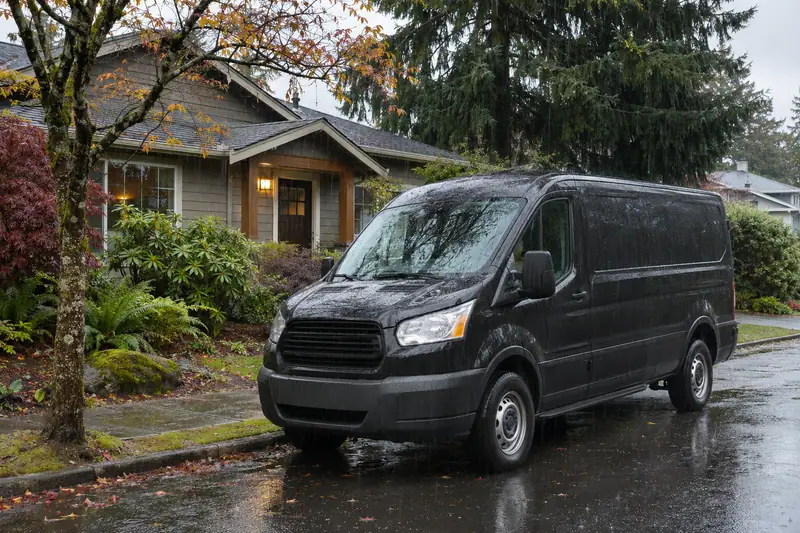
Choose the service that matches your water
Water cleanup and drying services in Portland cover a handful of situations, and the right one depends on where the water came from and what it reached. Each page below explains the signs, the usual causes, what a visit includes and how to prevent it next time. If two of them sound like your situation, read both. The overlap is normal, and the technician plans the job around everything that got wet, not around a single label.
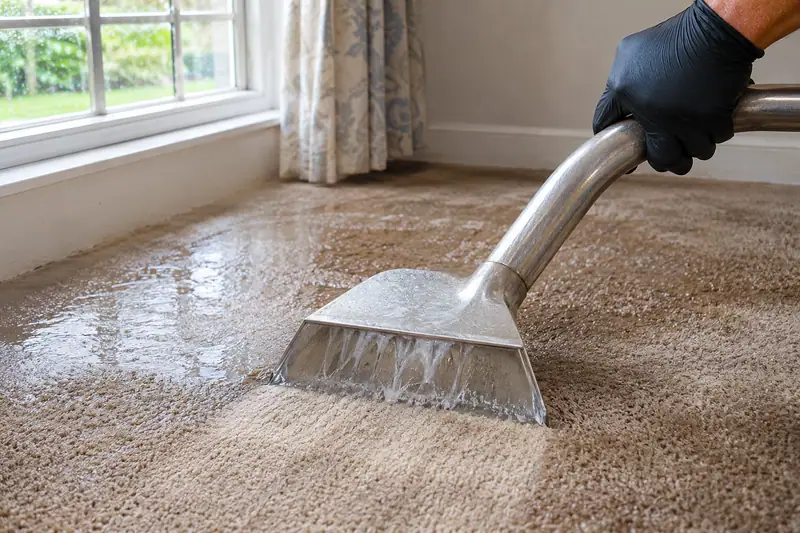
Water Extraction and Drying
Standing water pumped and extracted, then floors, walls and subfloors dried with readings each visit.
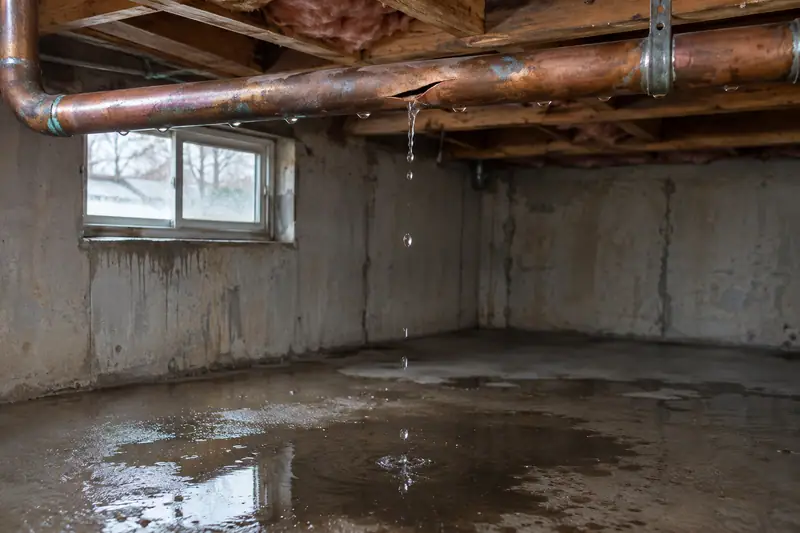
Burst Pipe Cleanup
Everything a split supply line soaked, from the wall cavity to the ceiling below.
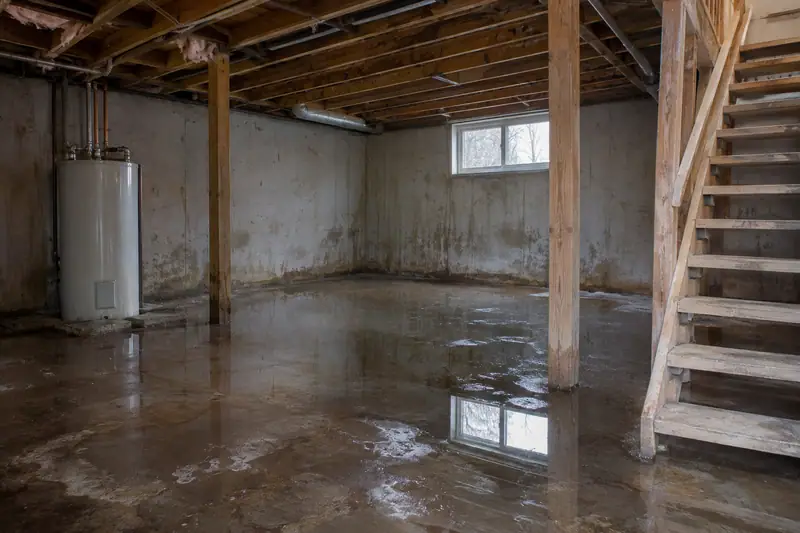
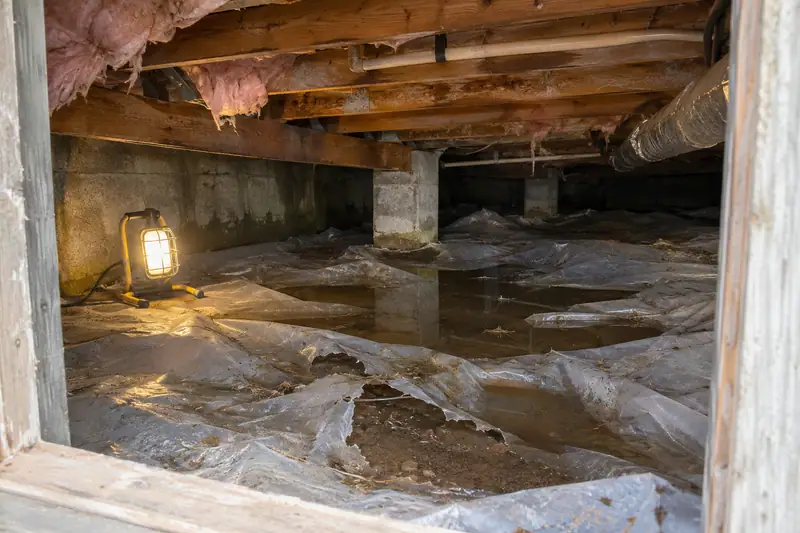
Flooded Basement Cleanup
Water on the slab or in the crawl space, pumped out and dried, with the cause found.
Sewage Backup Cleanup
Drain and toilet backups handled as contaminated water, with porous materials removed.
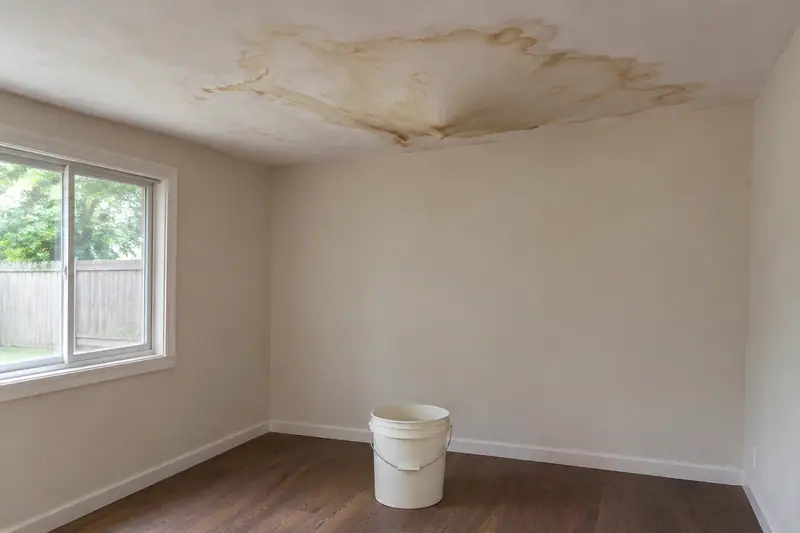
Ceiling Leak and Water Stain Repair
Drips, sags and brown rings traced to the source and dried before repair.

Storm and Flood Damage Cleanup
Rain and outside water that got in, treated as contaminated and cleaned properly.
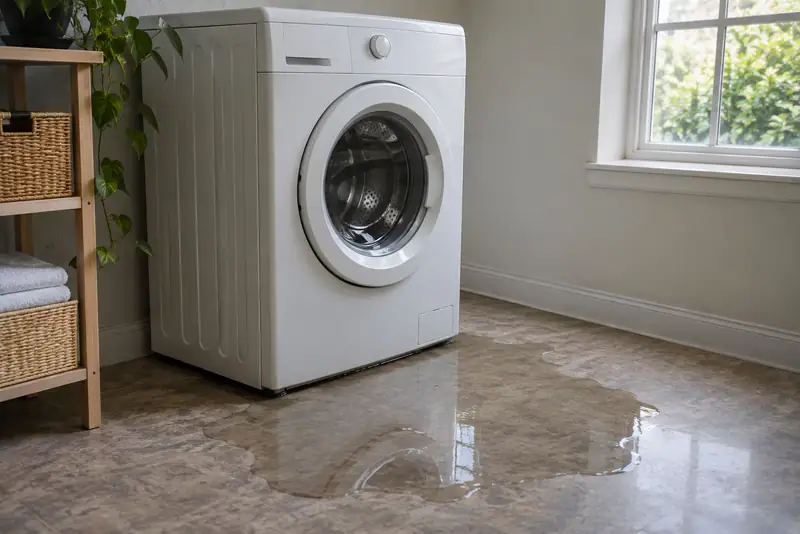
Appliance Leak Cleanup
Washer, dishwasher, fridge and water heater leaks found under floors and cabinets.
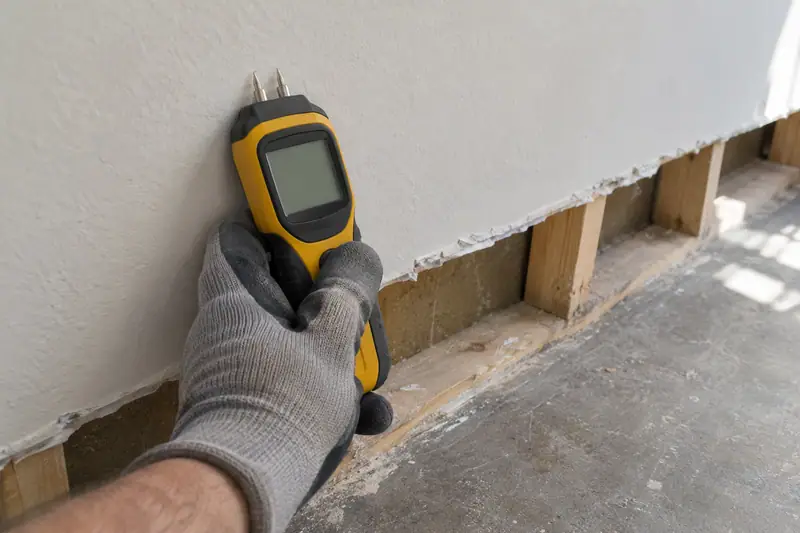
Mold Prevention After Water Damage
Full drying and the right removals so mold never gets a start.
How to tell which service you need
| If you see this | Start with |
|---|---|
| Water on the floor from a known pipe or fixture | Water extraction and drying |
| Water spraying or dripping from a split pipe | Burst pipe cleanup |
| Water on the basement floor or in the crawl space | Flooded basement cleanup |
| Dirty water rising from a floor drain or toilet | Sewage backup cleanup |
| A stain, drip or sag overhead | Ceiling leak and water stain repair |
| Water that came in from outside during rain | Storm and flood damage cleanup |
| Water under the washer, dishwasher or fridge | Appliance leak cleanup |
| A musty smell or an old leak that was never measured | Mold prevention after water damage |
Many jobs involve more than one of these. A burst pipe upstairs is also a ceiling leak downstairs, and a flooded basement may also be a sewage backup. The technician deals with all of it in one plan, starting with whatever is most urgent and working outward from the source until every wet area has been measured and dried.
What every job has in common
Whatever caused the water, a sound job follows the same backbone. Knowing it helps you follow along and ask the right questions.
Stop the source and make it safe
Water off, power safe in the wet areas, and the category of water decided.
Find every wet area
Moisture meters and thermal imaging map where the water went, including inside walls and under floors.
Remove the water and what cannot be saved
Pumping and extraction, then removal of soaked pad, insulation or contaminated drywall.
Dry and measure
Air movers and dehumidifiers run, and readings are taken until materials match the dry parts of the house.
Repair and record
Repairs follow the dry readings, and you keep the photos, the readings and the drying log.
Guides that help before and after
Alongside the services, these guides answer the questions that come up on almost every job. They are worth a read while the equipment is running, since they explain what you are seeing and what comes next.
- Before help arrives, the first hour steps for any leak.
- How long water damage takes to dry, with timelines by material.
- How to tell if water got into your walls, signs and simple checks.
- Clean, gray and black water explained, and why it matters.
- Does homeowners insurance cover water damage, and the records that help.
- A seasonal guide for Portland homes, what to check and when.
- Restoration terms explained, in plain English.
- Water damage questions, thirty short answers.
When more than one thing went wrong
Water rarely respects the boundaries between services. A washing machine on the second floor can soak the laundry room, run through the ceiling and pool in the basement. A storm can push water under a door and back up a floor drain on the same night. In cases like these the job is planned as one, starting with the most urgent risk, which is usually contaminated water or anything near electricity, and then working through the rest of the house in order.
Tell us everything you have noticed, even the small things like a soft spot in the floor or a new smell in a closet. Those details help the technician find all of the water on the first visit instead of the second.
Details that help us send the right help
The more we know at the start, the better prepared the technician is when they arrive. You do not need all of these, but each one helps.
- The source, or your best guess, such as a pipe, a hose, a drain, the roof or water from outside.
- The timing, when you first noticed it and whether it is still coming in.
- The spread, which rooms and floors, and whether it reached carpet, walls or a ceiling below.
- The water, whether it looked clear, soapy or dirty, and whether it smells.
- The house, whether there is a basement or a crawl space, and where the main shutoff is.
- Photos, if you took any, since they help the technician plan before they arrive.
Questions about choosing a service
Which service do I need if I am not sure where the water came from?
Start with water extraction and drying. The technician finds the source during the visit, and if it turns out to be a sewer line, a roof or an appliance, the plan changes to match.
Can one visit cover several problems?
Yes. A leak that reached a ceiling, a wall and a basement is handled as one job with one drying plan.
Do you handle the plumbing or roof repair too?
The water damage work covers finding, removing and drying the water. The pipe, appliance or roof that caused it is repaired by the right trade, and the technician can tell you what needs fixing.
Is mold prevention a separate visit?
Usually not. Preventing mold is part of drying properly. If mold is already growing over a large area, that becomes its own job with containment.
Serving homes across Portland
We take calls from homes across Portland, Oregon, for every service on this page. Tell us what you see and a local technician can come out to measure it and explain the options. Nothing starts until you agree, and you can ask as many questions as you like first. The ZIP codes we cover are on our home page, and how it works explains what happens after you call.