How Long Does Water Damage Take to Dry?
Most rooms dry in several days once the right equipment is running. Here is what makes it faster or slower.
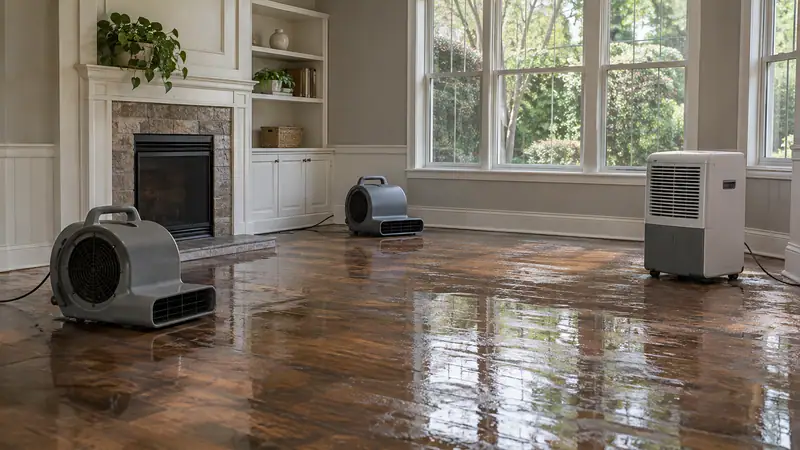
So how long does water damage take to dry?
How long water damage takes to dry depends on how much water there was, what it soaked and how the drying is done. With extraction first and then air movers and dehumidifiers running in a closed room, many clean water jobs dry in several days. Without equipment, the same room can stay damp inside the walls for weeks, which is long enough for mold and for wood to warp.
The calendar is only a guide. A room is dry when the moisture readings in the wet materials match the readings in the dry parts of the house. That is the number to ask for.
It also helps to separate the drying from the repairs. Drying is the stage where the equipment runs and the readings come down. Repairs, such as new drywall, pad, flooring and paint, come after. When people ask how long the whole thing takes, the answer is the drying time plus however long the repairs need, and the repairs can only start once the drying is proven.
What decides the timeline
| Factor | Faster when | Slower when |
|---|---|---|
| Amount of water | A small spill caught quickly | Hours of water from a burst line |
| How long it sat | Removed within hours | Left for a day or more |
| Materials | Tile, sealed concrete, painted drywall | Hardwood, plaster, subfloors, insulation |
| Air and humidity | A closed room with dehumidifiers | Damp outside air, open windows, a cool basement |
| Access to hidden water | Baseboards off, cavities vented | Water trapped under flooring or cabinets |
| Water category | Clean water dried in place | Contaminated water that needs removal first |
Portland has mild, wet winters and long rainy seasons, so outside air is often damp. Drying is done with the house closed up and the dehumidifiers working, rather than with open windows.
Rough timelines by material
- Carpet that was extracted well often dries within a couple of days, while the pad is usually replaced.
- Drywall dries in a few days once air can reach both sides, which is why small holes behind the baseboard help.
- Hardwood floors take longer, often the better part of a week or more, because the water sits inside the wood.
- Subfloors and framing dry slowly and need steady airflow and low humidity.
- Concrete slabs in basements can take the longest, since concrete holds water deep inside.
- Plaster walls in older homes dry slower than drywall and need patience.
These are rough guides, not promises. Every house is different, and the readings decide.
What happens each day of drying
Day one
Standing water is removed, wet materials that cannot be saved come out and the drying equipment is set. The first readings are recorded.
The following days
Readings are taken again. Equipment is moved toward areas that are drying slowly and taken out of areas that are already dry.
When readings level out
The wet materials read close to the dry ones. Final readings are taken and the equipment comes out.
After drying
Repairs begin, such as new pad and carpet, drywall patches, trim and paint.
Typical drying times for common situations
These are rough ranges for clean water jobs where drying started within a day. Contaminated water, long delays and heavy materials add time.
| Situation | What usually gets wet | Typical drying |
|---|---|---|
| Washer hose burst in a laundry room | Vinyl floor, subfloor, the bottom of nearby walls | A few days |
| Kitchen sink leak under cabinets | Cabinet bases, the floor beneath, the wall behind | A few days, longer if the cabinets stay in place |
| Pipe burst inside a wall | Drywall, insulation, framing, the floor below | Several days once the wall is opened |
| Carpeted bedroom flooded from a bathroom | Carpet, pad, subfloor, baseboards | Several days, with new pad |
| Basement with water on the slab | Concrete, the bottom plate of walls, any carpet | Often a week or more |
| Ceiling leak from above | Drywall, insulation, joists | A few days once wet material is removed |
What slows drying down
- Waiting to start. Every hour the water sits, it moves deeper into wood and drywall.
- Trapped water. Water under laminate, vinyl or cabinets dries very slowly until the covering is lifted or vented.
- Damp air. In Portland the long rainy seasons keep the outside air humid, so drying relies on dehumidifiers and a closed room.
- Turning equipment off. Air movers and dehumidifiers switched off at night can add days.
- Cold rooms. Water evaporates slowly from cold materials, which is one reason basements take longer.
- Dense materials. Hardwood, plaster and concrete give up their water slowly and should not be rushed with high heat.
Knowing what slows things down helps you keep drying on schedule. Most of it comes down to starting early, keeping the room closed and leaving the equipment running.
Why you cannot judge it by touch
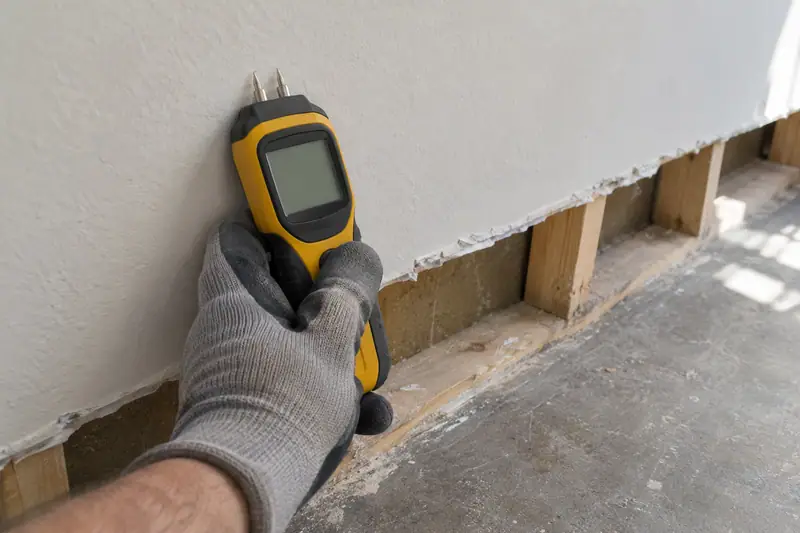
A wall can feel dry on the surface while the bottom of the drywall and the wood behind it are still wet. Hardwood can look flat while the underside still holds water that will make it cup later. That is why drying is measured with meters, not judged by eye or hand.
If someone suggests closing a wall or laying new flooring without showing you dry readings, ask them to measure first. Closing up a damp cavity is how hidden mold starts. Our guide on preventing mold after water damage explains why.
Ways to help drying along
- Leave the drying equipment running day and night, and do not move it.
- Keep doors and windows to the drying area closed unless told otherwise.
- Empty dehumidifier buckets if the unit does not drain on its own.
- Keep the heat at a comfortable, steady level.
- Keep furniture and boxes out of the drying area so air can move.
- Tell the technician if you notice a new stain, a smell or a soft spot.
Signs drying is not finished
- A musty smell that returns after the equipment is gone.
- Baseboards or trim that stay dark or keep swelling.
- Hardwood that continues to cup or lift at the edges.
- Paint that bubbles weeks after the leak.
- Readings that never quite reach the level of the dry rooms.
Any of these is worth a second look. It is far easier to finish drying now than to remove mold later. The guide on how to tell if water got into your walls shows how to check yourself.
Drying records and your insurance company
Insurance adjusters often want to see that the house was dried properly before they agree to repairs. A drying log answers that. It lists the readings taken on each visit, where they were taken and what equipment was running. Ask for a copy at the end, along with the before and after photos. If your claim is questioned later, those records show when the water happened, how far it spread and that the materials were brought back to a dry standard. Our page on insurance and water damage covers the rest of the paperwork.
Drying time questions
Can I speed up drying with a space heater?
A little warmth helps, but heat alone can crack hardwood and does nothing about the moisture in the air. Dehumidifiers matter more.
How long should drying equipment stay?
Until the readings in the wet area match the dry areas. That is usually several days for clean water jobs.
Why is my basement taking so long to dry?
Concrete holds water deep inside and basements are cool, which slows evaporation. Steady dehumidification helps most.
Will my hardwood floor go back to flat?
Often, if drying starts quickly and runs long enough. Boards that stayed wet for days may stay cupped.
Is it dry when it feels dry?
No. Surfaces dry first while the inside stays wet. Only readings tell you the material is dry.
Can I put furniture back once the equipment goes?
Yes, once the final readings show the area is dry and any repairs that need to happen first are done.
How long does water damage take to dry without equipment?
Much longer, often weeks inside walls and under floors, and in Portland's damp months some materials may never fully dry on their own. That is the window in which mold and warping happen.
Does a bigger dehumidifier always mean faster drying?
Up to a point. The dehumidifier needs to match the size of the room and the amount of water, and air movers still have to move air across the wet surfaces.
Why do readings sometimes go up during drying?
As the surface dries, water from deeper in the material moves outward, and a reading can rise for a day before it falls. The trend over several visits matters more than one number.