Sewage Cleanup After a Backup in Portland, OR
Dirty water rising from a drain or a toilet is not a job for a mop. Keep everyone away from it and stop using the plumbing.
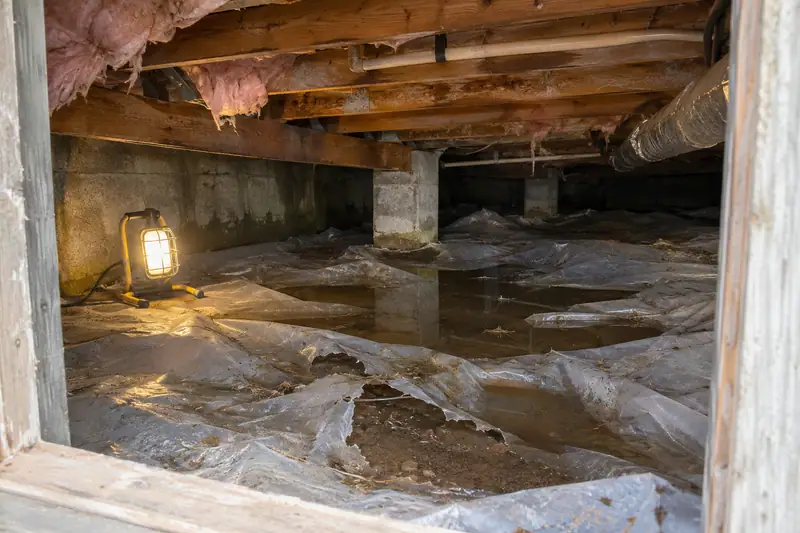
Keep away from it, and stop the water going down
Sewage cleanup in Portland starts with two simple rules. Keep people and pets out of the affected area, and stop sending water down any drain in the house. A backup happens because the line is blocked somewhere downstream, so every flush, shower or load of laundry adds to the water coming up.
- Keep children, pets and anyone with a weak immune system out of the area.
- Stop using toilets, sinks, the shower, the dishwasher and the washing machine.
- Turn off the power to the area if water is near outlets and you can reach the panel from a dry spot.
- Open windows if you can do so without walking through the water.
- Do not use a household vacuum or a fan on the water. Both spread contamination.
What sewage backup cleanup covers
Sewage counts as black water, the most serious category. It can carry bacteria and viruses, so sewage cleanup in Portland follows stricter steps than a clean water leak.
- Protective gear and containment so the contamination does not spread to clean rooms.
- Removing the sewage water with pumps and extraction tools.
- Taking out porous materials it touched, such as carpet, pad, drywall at the bottom of the walls and insulation.
- Cleaning and disinfecting hard surfaces, framing and the slab.
- Drying the structure and confirming it with readings.
- Bagging and removing the contaminated materials.
The drain line itself needs a plumber or a drain specialist to clear the blockage. The restoration side deals with everything the water touched.
Common causes of a sewer backup
- Tree roots growing into older clay or cast iron sewer lines.
- Grease and wipes that build up into a solid blockage.
- A collapsed or sagging pipe under the yard.
- Heavy rain that overloads the lines, particularly when storms are long and steady.
- A blocked main cleanout or a failed backwater valve.
If more than one fixture backs up at once, especially the lowest drain in the house, the problem is almost always in the main line rather than a single sink or toilet.
Which materials stay and which go
Sewage soaks into anything porous, and porous materials cannot be cleaned to a safe standard once they are contaminated. Hard, sealed surfaces can. This is the usual split.
| Material | After a sewage backup | Why |
|---|---|---|
| Carpet and pad | Removed | Too porous to disinfect. |
| Drywall touched by the water | Cut out, usually a safe margin above the water line | The paper face and the gypsum soak up contamination. |
| Wall insulation | Removed | Holds water and cannot be cleaned. |
| Concrete floors | Cleaned and disinfected | Sealed enough to clean thoroughly. |
| Tile, vinyl and sealed wood | Usually cleaned, sometimes lifted | Depends on whether water got underneath. |
| Wood framing | Cleaned, treated and dried | Structural wood is cleaned rather than replaced in most cases. |
| Upholstered furniture and mattresses | Usually discarded | The padding inside cannot be disinfected. |
Before anything is thrown away, take photos of each item and keep a simple list. That record helps with any insurance conversation later.
Staying healthy during the cleanup
The biggest risks come from touching the water and breathing in what gets stirred up. Keep the door to the affected area closed, wash your hands well after being near it and keep food, toothbrushes and clean laundry far away from it. Anyone with a cut on their hands or feet should stay out entirely. If someone in the house becomes unwell after contact with the water, call your doctor and mention the sewage.
Emergency or can it wait
Sewage in a living area is always urgent, and Portland sewage cleanup gets harder the longer it waits. The longer it sits, the further it soaks into porous materials and the more has to be removed. A toilet overflow that stayed on the tile and was cleaned straight away with disinfectant is a smaller job, but if it reached carpet, a wall or the ceiling below, treat it the same as any other backup.
What the visit includes
Assess and contain
The affected area is closed off and the extent of the water is measured.
Remove the water
Sewage water is extracted and disposed of properly.
Remove and clean
Porous materials come out and every remaining surface is cleaned and disinfected.
Dry and check
Drying equipment runs until readings are normal, then the area is ready for repairs.
Before any removal begins, you hear what has to go and why, and the decision is yours.
Questions worth asking
- Which materials have to come out, and how far up the walls?
- How will clean parts of the house be protected during the work?
- When is it safe for children and pets to use the area again?
- Has the drain blockage been cleared, or does that need a plumber first?
Our before help arrives checklist has the safety steps for the first hour.
Reducing the chance of another backup
- Never flush wipes, even ones sold as flushable.
- Pour grease into a container, not down the sink.
- Have an older sewer line checked with a camera if backups repeat.
- Ask a plumber whether a backwater valve makes sense for your house.
Sewage cleanup questions
Is sewage water dangerous?
It can carry bacteria and viruses, so treat it as unsafe. Avoid skin contact, keep children and pets away and wash thoroughly if you touch it.
Can carpet be saved after a sewage backup?
No. Carpet and pad soaked by sewage are removed and thrown away. Hard surfaces can be cleaned and disinfected.
Do I need a plumber too?
Yes. The blockage that caused the backup has to be cleared by a plumber or drain specialist, or it will happen again.
Can I clean it up myself?
A small toilet overflow on tile, cleaned quickly with disinfectant, is manageable. Anything that reached carpet, walls or a basement is better handled with protective gear and proper equipment.
How long until the area is usable?
Removal and cleaning are followed by several days of drying. Repairs start once readings are normal.
Will my insurance cover a sewer backup?
Many standard policies need a separate sewer backup endorsement. Check your policy or ask your agent.
What does a sewage smell after cleanup mean?
A smell that lingers after the area is cleaned and dry usually means some contaminated material was missed, often insulation or the bottom of a wall. Ask for the area to be checked again rather than masking it with air fresheners.
Can sewage come up through a shower or tub drain?
Yes. Any low drain can back up when the main line is blocked, which is why the lowest shower or floor drain is often the first place the water appears.
Serving Portland
We take calls about sewage cleanup in Portland from homes across the city. Tell us where the water came up and which rooms it reached, and a local technician can come out.