Stopping Mold After Water Damage in Portland, OR
Mold follows moisture. Dry the house fully and quickly, and most mold problems never start.
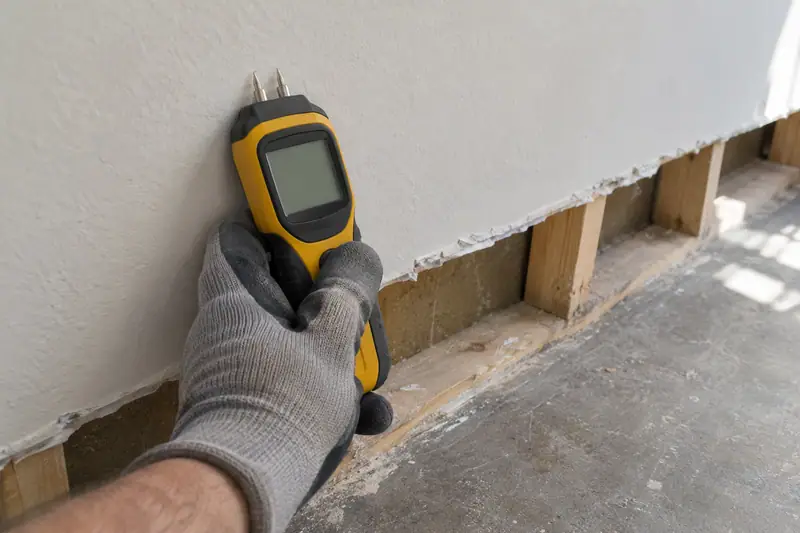
How mold gets started after water damage
Mold after water damage in Portland is almost always a drying problem. Mold spores are everywhere, indoors and out, and they only grow when they land on something damp that stays damp. Drywall paper, wood, carpet backing and dust all feed it. Give mold moisture and a few days, and it starts.
The EPA advises drying damp materials within 24 to 48 hours to help prevent mold growth, and says the key to mold control is moisture control. You can read their guidance on mold and moisture.
What mold prevention covers
- Measuring moisture in every material the water touched, including inside walls.
- Removing materials that cannot dry in time, such as soaked insulation and pad.
- Cleaning surfaces that were wet, with a cleaner suited to the water category.
- Drying the structure fully, not just until it feels dry.
- Checking readings before anything is closed up, painted or covered with new flooring.
- Pointing out conditions that keep the area damp, such as poor ventilation or a crawl space without a proper vapor barrier.
If mold is already growing over a large area, the job becomes mold remediation, with containment and its own set of steps. The aim on this page is to keep it from getting that far.
Why Portland homes need extra care
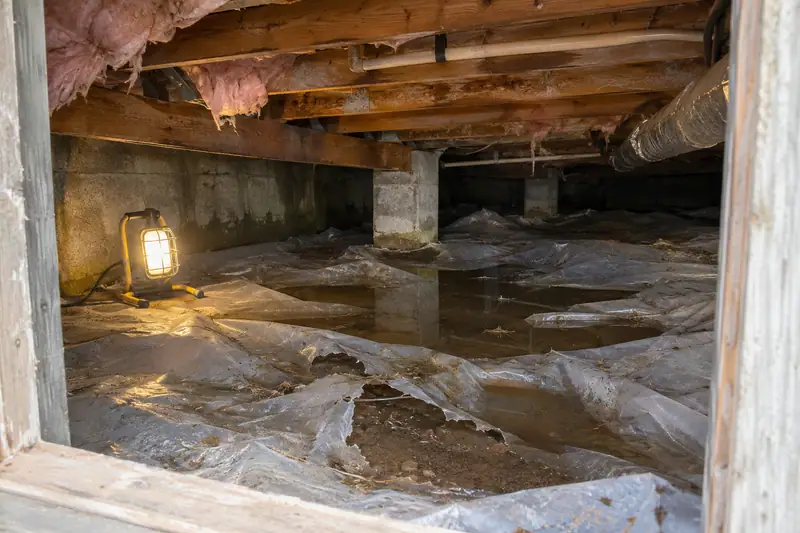
Portland has mild, wet winters, and the long rainy seasons keep crawl spaces and attics damp for months. Wet materials dry slowly here, so a leak that was only partly dried has more time to grow mold than it would in a drier place.
That is why mold after water damage in Portland shows up so often in hidden corners. Crawl spaces, basements, the backs of closets on outside walls and bathrooms without a good fan are the usual trouble spots. They are cool, they get little air movement and they are rarely looked at.
Signs mold may have started
- A musty, earthy smell that comes back after cleaning.
- Dark spots or fuzzy patches on drywall, baseboards or the back of cabinets.
- Paint that bubbles or wallpaper that peels near the floor.
- Allergy symptoms that are worse in one room and better outside the house.
- A stain that keeps growing long after the leak was fixed.
Small patches on hard surfaces can often be cleaned. Mold on drywall or insulation usually means the material needs to come out, and a large area or a mold smell with no visible source is worth having checked.
Emergency or can it wait
Mold itself is rarely an emergency in the same way a burst pipe is, yet the window to prevent it is short. If materials have been wet for more than a day and have not been measured, treat drying as urgent. If someone in the house has asthma, allergies or a weak immune system, keep them away from damp, musty areas until they are dealt with.
What the visit includes
Measure
Readings across floors, walls and ceilings show where moisture is still sitting.
Remove
Wet insulation, pad and any material with visible growth comes out.
Clean and dry
Surfaces are cleaned and drying equipment runs until readings are normal.
Confirm
A final set of readings is taken before anything is closed up.
You are shown the numbers and told what they mean before anything is removed, and you decide.
Questions worth asking
- What are the readings now, and what should they be?
- Is any mold already visible, and how much?
- Which materials need to come out to prevent growth?
- What is keeping this area damp, and how can I change it?
If you are dealing with a fresh leak, start with the before help arrives checklist.
Keeping moisture low after the job
- Run bathroom fans during showers and for a while after.
- Use the kitchen fan when cooking.
- Keep indoor humidity moderate, using a dehumidifier in basements if needed.
- Make sure the crawl space has a sound vapor barrier and is ventilated as designed.
- Fix small leaks quickly and dry anything that gets wet the same day.
- Keep furniture a little away from cold outside walls so air can move behind it.
Belongings that got wet
Mold does not only grow on walls. Boxes stored on a basement floor, rugs, books and fabric furniture can all start growing mold if they stay damp. Move wet belongings out of the area quickly, open boxes, and dry what you want to keep in a room with a dehumidifier running. Cardboard, paper and fabrics that stayed wet for more than a couple of days and now smell musty are usually not worth keeping. Hard items such as plastic, metal and glass can be cleaned and dried.
When you put things back after the drying is finished, keep them on shelves rather than the floor, and leave a little space between boxes and walls so air can move around them.
Mold and moisture questions
How soon can mold grow after water damage?
The EPA advises drying damp materials within 24 to 48 hours to help prevent mold growth. After that, the chance of growth rises quickly.
Will bleach stop mold after a leak?
Bleach does not dry anything, and moisture is what mold needs. Drying the materials fully matters far more than any cleaner.
Can I just paint over mold?
No. Paint hides it for a while, and it keeps growing underneath if the material is still damp.
Does every leak lead to mold?
No. Leaks that are dried quickly and fully usually do not. The risk comes from materials that stay damp for days.
Do I need to test for mold?
Visible growth and a musty smell are usually enough to act on. Testing can help when you smell mold but cannot find it.
Why does the crawl space matter so much?
Moisture in the crawl space rises into the framing and the floor above. A damp crawl space can keep the whole lower floor humid.
Is a little mold in the bathroom a sign of a leak?
Not always. Bathroom mold on grout and caulk often comes from steam and poor ventilation. Mold on the wall outside the shower, or under the vanity, is more likely a leak worth checking.
Can a dehumidifier prevent mold on its own?
It helps keep the air drier, which slows mold. It cannot dry a soaked wall cavity or subfloor quickly enough by itself after a real leak.
Who should handle mold that is already growing?
Small spots on hard surfaces can be cleaned with care. Larger areas, mold inside walls and mold that returns after cleaning are better handled by someone who sets up containment so spores do not spread.
Serving Portland
We take calls about drying and mold after water damage in Portland from homes across the city. Tell us when the water happened and where, and a local technician can come out to measure it.